

Tali Sharot
Author, Neuroscientist and Authority on Human Behavior
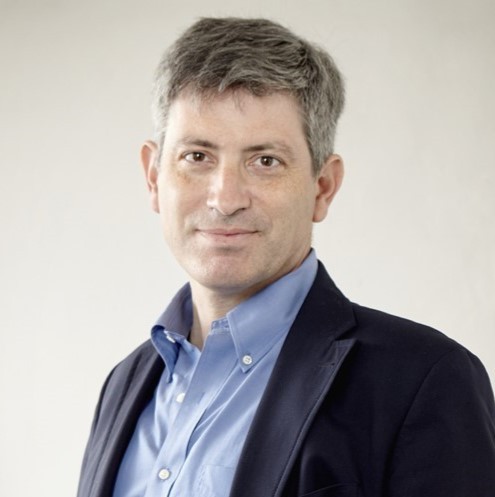
Carl Zimmer is a science writer, lecturer, and frequent guest on such radio programs as Fresh Air and This American Life. His books include "Soul Made Flesh," "Evolution: The Triumph of an Idea," and "Parasite Rex." In addition to writing books, Zimmer contributes articles to The New York Times, as well as magazines including National Geographic, Time, Scientific American, Science, and Popular Science. He also writes an award-winning blog, The Loom. From 1994 to 1998 Zimmer was a senior editor at Discover, where he remains a contributing editor and writes a monthly column about the brain.
Contact a Speaker Booking Agent to inquire about Carl Zimmer speaker booking, speaking fee details, and availability.
Book Carl Zimmer: Quick Answers on Availability & Fees
Speak with a booking specialist to confirm dates, pricing, and best-fit options for Carl Zimmer or comparable speakers for your event.
Highlights and interviews featuring Carl Zimmer.
Looking to book Carl Zimmer for your next event? As a Award-Winning Author and Columnist on Science for the New York Times, Carl Zimmer brings a powerful story and engaging presence to corporate events, conferences, leadership programs, charity galas, and special appearances. The speaking fee for Carl Zimmer typically falls within the $10,000 - $20,000 range, depending on factors such as event location, type, and duration. Speaker Booking Agency offers transparent pricing and will provide a detailed quote tailored to your event needs. To check availability, request a quote, or learn more about booking Carl Zimmer, contact Speaker Booking Agency at 888-752-5831 or submit a booking request.
Get quick answers on booking, speaking fees, and virtual event options for Carl Zimmer.
Author, Neuroscientist and Authority on Human Behavior
Scientist, Geographer, Historian & Bestselling Author
New York Times Bestselling Author, Illustrator & Designer Known for Making Science, History and Complex Issues Accessible
Sociologist, Urban Studies Scholar & Best-Selling Author Specializing in Culture, Media, and Social Infrastructure
Physicist, Novelist, Essayist & Educator
Medical Anthropologist, Science Writer & Associate Professor of Science and Technology Studies at Stevens Institute of Technology
Through their writing authors possess the power to Mold cultural narratives while sparking imagination and fostering enduring educational growth. The author speakers bring distinctive knowledge about creative writing and book publishing and the dynamic publishing industry to their audiences. Their perspectives cover three main areas which include education and literacy and creative inspiration and storytelling as a transformative force. Our roster features famous authors alongside Black authors and American authors who speak at literary festivals and academic gatherings and corporate creativity seminars about cultural commentary and new writing developments. The great book authors and popular book authors share relatable experiences and timeless lessons which continue to resonate across different generations. Speaker Booking Agency helps you book author and literary speakers who will deliver meaningful dialogue and great storytelling and deep insights about literature's impact on our global world.
View speakersScience speakers can help your organization get a better grasp of what is going on in the world around you. Science professionals are physicists, biologists, chemists, and much more. Science has been behind some of the biggest innovations. It has helped us develop lifesaving pharmaceutical drugs and put a man on the moon. Science speakers can be invaluable for any organization that is looking to improve their knowledge of how science works and how scientists are able to research and test new theories. Booking a science speaker does not have to be difficult. You can search through an extensive list of speakers with Speaker Booking Agency. Contact us today!
View speakers