

Ayo Tometi
Co-Founder of the Black Lives Matter Movement, Feminist and Human Rights Activist
Speaking Fee:Fee:Available Upon Request
Travels From:Travels:New York, NY
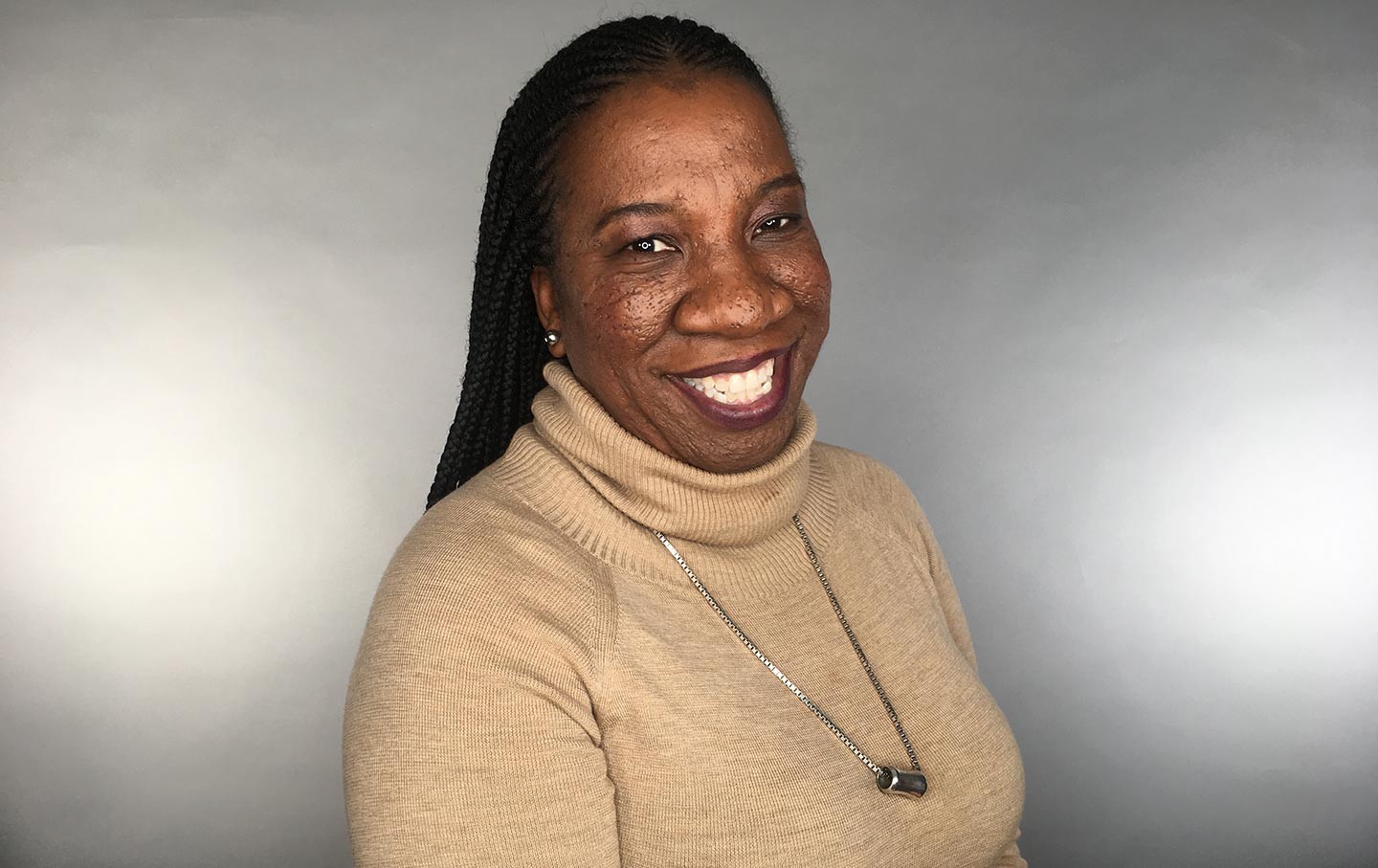
Tarana Burke, who started the Me Too Movement, is a proud citizen of the Bronx, the borough of New York City, where she was born on September 12, 1973. She is the mother of Kaia Burke and presently works as a senior director for the nonprofit organization Girls for Gender Equity in Brooklyn, New York.
Burke's connection with the 21st Century Youth Leadership Movement, a Selma, Alabama-based organization committed to assisting young people in becoming community organizers and leaders, stretches back to her teens.
Contact a Speaker Booking Agent to inquire about Tarana Burke speaker booking, speaking fee details, and availability.
Looking to book Tarana Burke for your next event? As a Founder of The Me Too Movement, Tarana Burke brings a powerful story and engaging presence to corporate events, conferences, leadership programs, charity galas, and special appearances. Speaking fees for Tarana Burke vary based on event location, type, and duration. Speaker Booking Agency offers transparent pricing and will provide a detailed quote tailored to your event needs. To check availability, request a quote, or learn more about booking Tarana Burke, contact Speaker Booking Agency at 888-752-5831 or submit a booking request.
Get quick answers on booking, speaking fees, and virtual event options for Tarana Burke.
Co-Founder of the Black Lives Matter Movement, Feminist and Human Rights Activist
Women's March Organizer | Activist, Advocate, and Empowering Keynote Speaker
Civil Rights Activist, Sociologist, Author & Professor
Civil Rights, Social Justice and Women's Rights Advocate, President & CEO of the National Coalition on Black Civic Participation (NCBCP)
Founder SisterSong Women of Color Reproductive Health Collective
Pioneer in Women's Hip Hop and Women's Empowerment Activist
Keynote speakers on women’s equality help in driving progress, breaking barriers and inspiring change across industries. From renowned activists to authors, educators and cultural leaders, these women’s rights speakers address critical issues like gender equality, workplace equity, leadership, pay parity and representation. These voices bring powerful stories, data-driven insights and a passionate call to action. Booking a women’s equality keynote speaker ensures your audience engages with timely conversations that inspire inclusion, empowerment and lasting impact in both professional and social spheres.
Leading social justice advocates are influential voices who champion equality, human rights, and racial justice. These speakers include activists, civil rights leaders, authors, educators, and community organizers who address critical issues such as racial equity, gender justice, LGBTQ+ rights, and inclusive leadership. These social justice keynote speakers inspire awareness, action, and lasting transformation. Book top social justice speakers to elevate your event with bold perspectives and solutions that drive meaningful progress.
South By Southwest is one of the world’s largest festivals and conferences. The annual gathering in Austin, Texas brings together thought leaders from film, media, technology and this year’s festivities take place March 13-22. The 2020 SXSW speakers are some of the most recognizable celebrities and experts in their fields. They make great guests for a host of other conferences, trade shows and special events throughout the year.
Celebrate Women’s History Month with inspiring speakers who highlight the achievements, challenges and contributions of women. These speakers include leaders, activists, authors, educators, entrepreneurs and cultural icons who share powerful stories of resilience, empowerment, leadership and social progress. Women’s History Month speakers bring attention to the vital role of women in shaping society. Book a keynote speaker for Women’s History Month to educate and engage your audience with meaningful conversations about gender equity, inclusion and lasting impact.
Activist speakers are powerful voices who drive change across human rights, equality, and environmental justice. Activist keynote speakers range from renowned climate activists to dedicated human rights advocates who share compelling stories and bold ideas that inspire audiences to take meaningful action. Whether you're planning a global event, educational forum, or corporate DEI program, our activist speakers deliver passionate and impactful keynotes that challenge perspectives, foster empathy, and promote positive social transformation. These are social justice speakers who share their personal experiences with practical insights which make them trusted messengers for today’s most urgent causes. Partner with Speaker Booking Agency to find the ideal activist keynote speaker who can elevate your event and empower your audience to become agents of change.
View speakersWomen public speakers are inspiring leaders who share powerful stories of resilience, leadership and empowerment across industries and communities. These experts include entrepreneurs, activists, executives and changemakers who provide unique perspectives on leadership, equality and creating meaningful impact. Our speakers bureau famous women speakers and book famous women speakers bring experience and credibility, while the list of famous women public speakers available for booking ensures organizations find the right voice for their audience. Whether you’re planning a corporate summit, leadership conference or community event, women public speakers deliver engaging keynotes that highlight achievements, break barriers and encourage diversity and inclusion. Platforms to book women speakers, hire women public speakers list and how to book women motivational speakers agency booking make it easy to connect with experts who inspire and empower. Partner with Speaker Booking Agency to book women public speakers and learn how to book women public speakers through our agency, ensuring your event sparks meaningful conversations about leadership and empowerment.
View speakersBlack Keynote speakers are powerful voices who are shaping culture advancing equity and leading across industries. The top black keynote speakers range from African American thought leaders to entrepreneurs, entertainers and educators. They bring unique perspectives and transformative stories that resonate with audiences all around the world. Whether you're hosting a diversity summit, corporate event or educational forum, our African American speakers deliver compelling keynotes that inspire dialogue, celebrate heritage and empower communities. Black keynote speakers influence individuals through experiences and effective strategies which make them some of the most impactful voices in today’s social and professional landscapes. Partner with Speaker Booking Agency to find black keynote speakers who can elevate your event and inspire your audience with authenticity, excellence and purpose.
View speakers