

Ocean Vuong
Award-Winning Poet, Novelist and Essayist Known for Night Sky with Exit Wounds
Speaking Fee:Fee:$20,000 - $30,000
Travels From:Travels:Northampton, MA
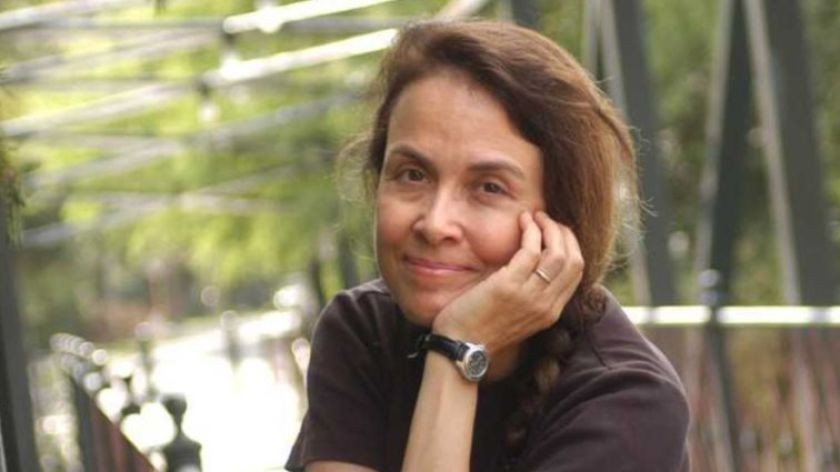
Naomi Shihab Nye was born in St. Louis, Missouri. Her father was a Palestinian refugee and her mother an American of German and Swiss descent, and Nye spent her adolescence in both Jerusalem and San Antonio, Texas. She earned her BA from Trinity University in San Antonio. Nye is the recipient of numerous honors and awards for her work, including the Ivan Sandrof Award for Lifetime Achievement from the National Book Critics Circle, the Lavan Award, the Paterson Poetry Prize, the Carity Randall Prize, the Isabella Gardner Poetry Award, the Lee Bennett Hopkins Poetry award, the Robert Creeley Prize, and many Pushcart Prizes. She has received fellowships from the Lannan Foundation, the Guggenheim Foundation, and she was a Witter Bynner Fellow. From 2010 to 2015 she served as a Chancellor of the Academy of American Poets. In 2018 she was awarded the Lon Tinkle Award for Lifetime Achievement from the Texas Institute of Letters. Nye is the Poetry Foundation's Young People's Poet Laureate.
Nye’s experience of both cultural difference and different cultures has influenced much of her work. Known for poetry that lends a fresh perspective to ordinary events, people, and objects, Nye has said that, for her, “the primary source of poetry has always been local life, random characters met on the streets, our own ancestry sifting down to us through small essential daily tasks.” In her work, according to Jane Tanner in the Dictionary of Literary Biography, “Nye observes the business of living and the continuity among all the world’s inhabitants … She is international in scope and internal in focus.” Nye is also considered one of the leading female poets of the American Southwest. A contributor to Contemporary Poets wrote that she “brings attention to the female as a humorous, wry creature with brisk, hard intelligence and a sense of personal freedom unheard of” in the history of pioneer women.
Contact a Speaker Booking Agent to inquire about Naomi Shihab Nye speaker booking, speaking fee details, and availability.
Looking to book Naomi Shihab Nye for your next event? As a Accomplished Poet and Author, Naomi Shihab Nye brings a powerful story and engaging presence to corporate events, conferences, leadership programs, charity galas, and special appearances. The speaking fee for Naomi Shihab Nye typically falls within the $20,000 - $30,000 range, depending on factors such as event location, type, and duration. Speaker Booking Agency offers transparent pricing and will provide a detailed quote tailored to your event needs. To check availability, request a quote, or learn more about booking Naomi Shihab Nye, contact Speaker Booking Agency at 888-752-5831 or submit a booking request.
Get quick answers on booking, speaking fees, and virtual event options for Naomi Shihab Nye.
Award-Winning Poet, Novelist and Essayist Known for Night Sky with Exit Wounds
Official Poet Laureate of Los Angeles; Poet novelist journalist critic and columnist.
Artist, Poet and Author
22nd Poet Laureate of the United States, Pulitzer Prize-Winning Author & Harvard Professor
Distinguished Poet National Book Award Finalist
Memoirist, Poet of “Unaccompanied” (2017), New York Times Bestselling Author of “Solito” (2022) & Advocate for Immigrant Voices in the Arts
Celebrate culture, identity and achievement with Arab American Heritage Month speakers who honor the rich contributions of the Arab American community across history, business, the arts, science and public service. These speakers include entrepreneurs, educators, artists and activists who share stories of heritage and representation while addressing issues such as inclusion, immigration and cultural pride. They are ideal for heritage month celebrations, educational programs and community gatherings. Arab American heritage month speakers inspire dialogue and foster understanding. Book an Arab American Heritage Month speaker to elevate your event with meaningful insights and powerful storytelling.
Through their writing authors possess the power to Mold cultural narratives while sparking imagination and fostering enduring educational growth. The author speakers bring distinctive knowledge about creative writing and book publishing and the dynamic publishing industry to their audiences. Their perspectives cover three main areas which include education and literacy and creative inspiration and storytelling as a transformative force. Our roster features famous authors alongside Black authors and American authors who speak at literary festivals and academic gatherings and corporate creativity seminars about cultural commentary and new writing developments. The great book authors and popular book authors share relatable experiences and timeless lessons which continue to resonate across different generations. Speaker Booking Agency helps you book author and literary speakers who will deliver meaningful dialogue and great storytelling and deep insights about literature's impact on our global world.
View speakersPoets transform language into powerful emotional, historical and cultural expression. Through rhythm, narrative and lyrical truth, these literary voices inspire reflection and connection. From renowned performance poets and writing mentors to cultural storytellers and award-winning authors, poets use the power of words to spark imagination and share diverse perspectives. Our top poets—including celebrated American poets, famous female poets and generational voices—deliver unforgettable performances and engaging talks for literary festivals, university events and creative workshops. They explore storytelling, introspection and artistic freedom, helping audiences find deeper meaning and personal voice. Speaker Booking Agency makes it easy to book a poet who brings authentic, transformative storytelling that blends intellectual insight with emotional resonance and cultural depth for your audience.
View speakers